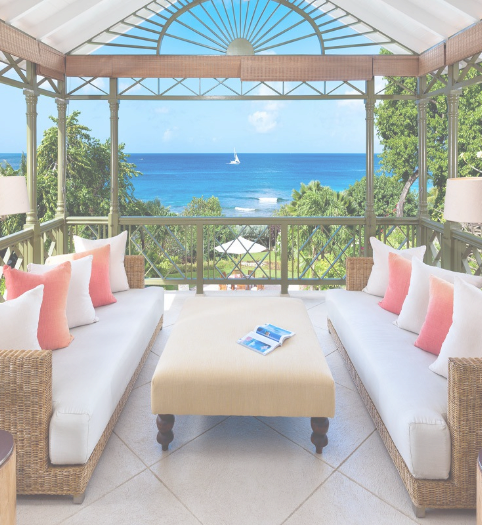


Barbados is surrounded by over 70 miles of beautiful palm-fringed, white sand beaches. The sea offers just about every shade of blue and is truly a delight to behold, even when simply driving around the island. All Barbados beaches are open to the public giving locals and visitors alike the opportunity to enjoy some of the most beautiful seasides in the Caribbean. The Crane beach in St. Phillip has consistently been recognized as one of the top 10 beaches in the world.
The East Coast Beaches of Barbados on the Atlantic Ocean offer not only the biggest waves, but also the most dangerous currents. Swimming at these beaches is not recommended but they are very popular for surfing. Bathsheba is the home of the famous Soup Bowl and is a hot spot for experienced local and foreign surfers alike. With prime conditions year-round, surfing is one of the most popular sports in Barbados. The Atlantic coastline is stunningly beautiful and simply awe-inspiring to watch.
The South Coast Beaches of Barbados are characterized by small to medium waves, good dive sites and excellent wind and kite surfing conditions. The South Coast of Barbados is laden with stretches of white sand bays. The sea is usually calm and good for swimming. There are many shallow-water reefs, which are ideal for snorkeling. One of the best windsurfing spots is in Silver Sands and Silver Rock where many international windsurfing events are held.
Northern Barbados may have less sand but the coast makes up for this drawback with spectacular weathered cliffs and pounding Atlantic swells in numerous little bays. The majority of the coast tends to be rockier but offers beautiful ridges with magnificent views of the ocean. Swimming is quite safe within the sheltered bays like River Bay, Maycocks Bay, Cove Bay and Morgan Lewis beaches. They are all great locations for gorgeous photos.
The West Coast Beaches of Barbados are known for calm, clear waters and soft white sandy beaches making them ideal for swimming, snorkeling or relaxing with a rum punch. The West Coast gently nudges the tranquil Caribbean Sea in all its turquoise glory and is perfect for water sports like skiing and wakeboarding, it also boasts most of the island’s popular scuba diving areas.
Some specific points to note about our Beaches:
Flags on Beach Denote Dangerous Currents
+YELLOW FLAG: means proceed with caution
+RED FLAG: is a strong warning that you should stay out of the sea
It is always advisable to stay within your depth when swimming. There is quite a bit of activity along the coast lines with boats and other water crafts so when snorkeling or diving please display a brightly coloured buoy or float to indicate your location.
Manchineel Trees
More prevalent on the West Coast, but also found in small quantities elsewhere, these poisonous trees (usually marked with a red painted ring around the trunk) are to be handled with care. They bear small yellow-green “apples” and any contact with the leaves, branches or fruits will cause severe blistering. The fruit should NOT be eaten at anytime and take care not to shelter under these trees when it’s raining as the water dripping from the leaves will produce the same unpleasant effect.
Sea Urchins/Cobblers
Barbados is surrounded by extensive coral reefs and sea urchins (commonly referred to locally as cobblers) are abundant in the rocks and crevices that are close to shore. The long black spines will break easily and embed in your feet if stepped on. It is advised that if you are snorkeling or walking on any of the shallow reefs you wear reef shoes for protection against these animals and other small fish.